
Health Benefits of Fermented Foods
Share
DIY fermentation has become one of the most exciting trends in plant-based eating—and for good reason. Foods like kimchi, kombucha, sauerkraut, yogurt, and kefir are packed with beneficial nutrients and probiotics that support overall health.
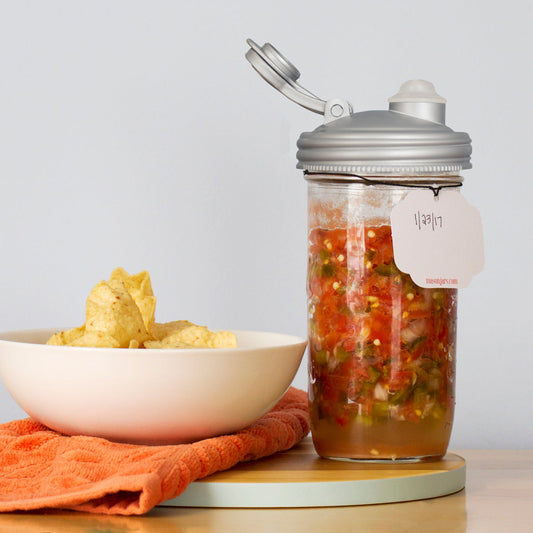
Fermented foods are not only delicious and tangy, but they’re also surprisingly easy and inexpensive to make at home. With simple ingredients and a Mason jar, you can create your own probiotic-rich foods while experimenting with different flavors.
What Happens During Fermentation?
Fermentation is a natural process where beneficial bacteria break down sugars in food. This process:
-Preserves vegetables and other foods
-Creates beneficial probiotics
-Produces unique tangy flavors
-Enhances nutritional value
Fermented foods can often last for months when stored properly, making them a great way to preserve seasonal produce.
The Benefits of Fermented Foods
Probiotics for Gut Health
Fermented foods are rich in probiotics, the beneficial bacteria that help maintain a healthy gut microbiome.
Probiotics may help:
-Improve digestion
-Support immune function
-Balance gut bacteria
Research on probiotics continues to grow, but early studies suggest these beneficial microbes may also support overall wellness.
Bioavailable Vitamins and Minerals
Fermentation helps make nutrients more bioavailable, meaning your body can absorb them more easily.
Fermented foods may contain:
-B vitamins
-Vitamin K2
-Magnesium
-Calcium
Because fermentation partially breaks down food, these nutrients can be easier for your body to digest and utilize.
Budget-Friendly and Easy to Make
One of the biggest benefits of fermentation is how affordable it is.
Most ferments require only:
-Vegetables or tea
-Salt or sugar
-Water
Making your own fermented foods at home can cost far less than store-bought options. For example, a batch of kombucha can often be made for just a few dollars.
Popular Fermented Foods
Kombucha
Kombucha is a tangy probiotic tea created by fermenting sweetened tea with a culture of bacteria and yeast. The final beverage contains:
-B vitamins
-Antioxidants
-Beneficial acids
It’s refreshing, slightly fizzy, and widely loved by fermentation enthusiasts.
Sauerkraut
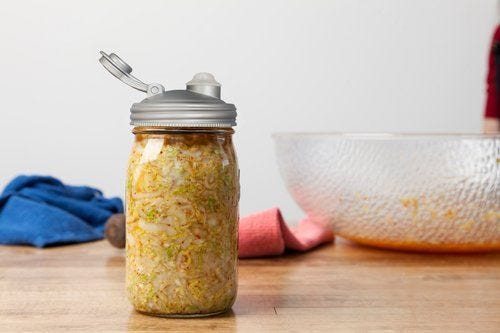
Sauerkraut is one of the simplest ferments to make and often serves as a beginner’s introduction to fermentation.
It’s made by:
1. Shredding cabbage
2. Adding salt
3. Allowing the cabbage to ferment in its own juices for several weeks
The result is a tangy, probiotic-rich topping commonly used on sandwiches and savory dishes.
Kimchi
Kimchi is a traditional Korean fermented dish, usually made with cabbage and seasoned with garlic, chili peppers, and other spices.
Its bold flavor and probiotic benefits make it one of the most popular fermented foods worldwide.
Kefir
Kefir is a fermented milk drink similar to a thin yogurt. It can be made using cow, goat, or sheep milk.
Kefir is known for containing:
-Vitamin B12
-Calcium
-Magnesium
-Vitamin K2
-Probiotics and enzymes
It’s often enjoyed as a drink or used in smoothies.
*Note: We also have a water kefir version as well!
Creative Ferments to Try
If classic fermented foods aren’t your favorite, there are plenty of creative vegetable ferments to explore.
Some popular options include:
-Ginger carrots
-Honey garlic
-Zesty cauliflower
-Giardiniera vegetable mix
-Fermented cherry tomatoes
These simple recipes allow you to experiment with flavors while enjoying the benefits of fermentation.
Why Try DIY Fermentation?
Making fermented foods at home allows you to:
✔ Save money
✔ Reduce food waste
✔ Control ingredients
✔ Experiment with flavors
✔ Add probiotics to your diet
With just a few ingredients and a Mason jar, you can start creating nutritious, flavorful fermented foods in your own kitchen.
Final Thoughts
Fermented foods offer a powerful combination of flavor, nutrition, and tradition. Whether you enjoy tangy kombucha, crunchy sauerkraut, or bold kimchi, adding fermented foods to your diet can be a simple way to support gut health and explore new culinary flavors.
Best of all, fermentation is easy to do at home—making it a rewarding and affordable kitchen project.